How the Model Works
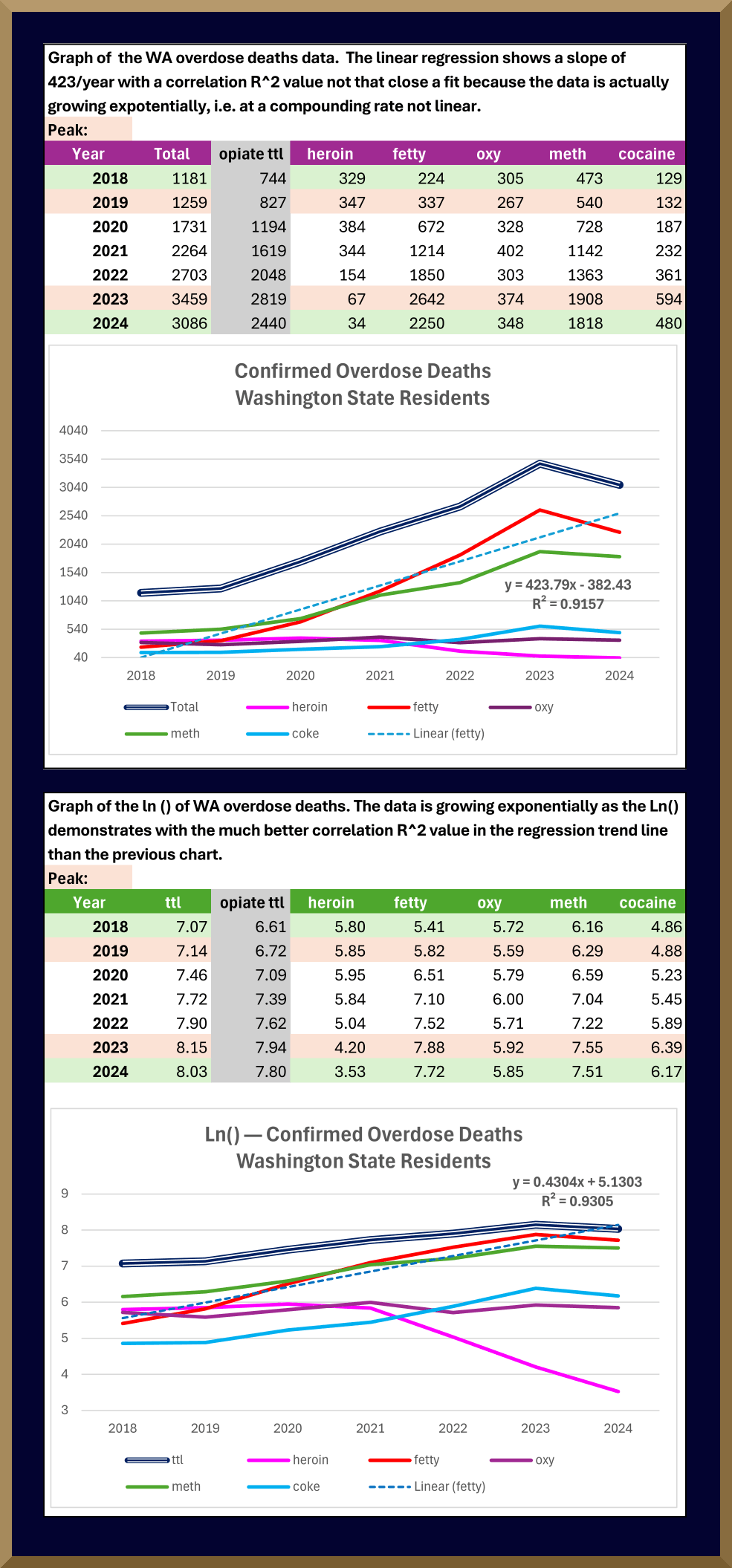
This interactive simulation is built directly from Washington State overdose death data (2018–2024). It uses the observed exponential compounding rate — deaths roughly doubled every ~2–2.7 years during the surge — and projects forward year by year.
The two sliders reduce this growth rate in targeted ways:
- Discourage Migration/Inflow lowers the arrival of new active addicts into the pool.
- Criminalize Use & Distribution reduces lethality and frequency of fatal use among the existing population through stronger enforcement and deterrence.
Move the sliders to see how even modest policy changes bend the curve, slow (or reverse) the compounding dynamic, and potentially save thousands of lives over time. The chart, table, and T_double / half-life metrics update live.
This is a simplified illustrative model — real results depend on consistent implementation in an open system — but it clearly shows the power of addressing the two core drivers of the crisis.
| Year | Total OD | Opiates OD | Heroin | Fentanyl | Oxy | Meth | Cocaine |
|---|
Continuous Compounding Mathematics
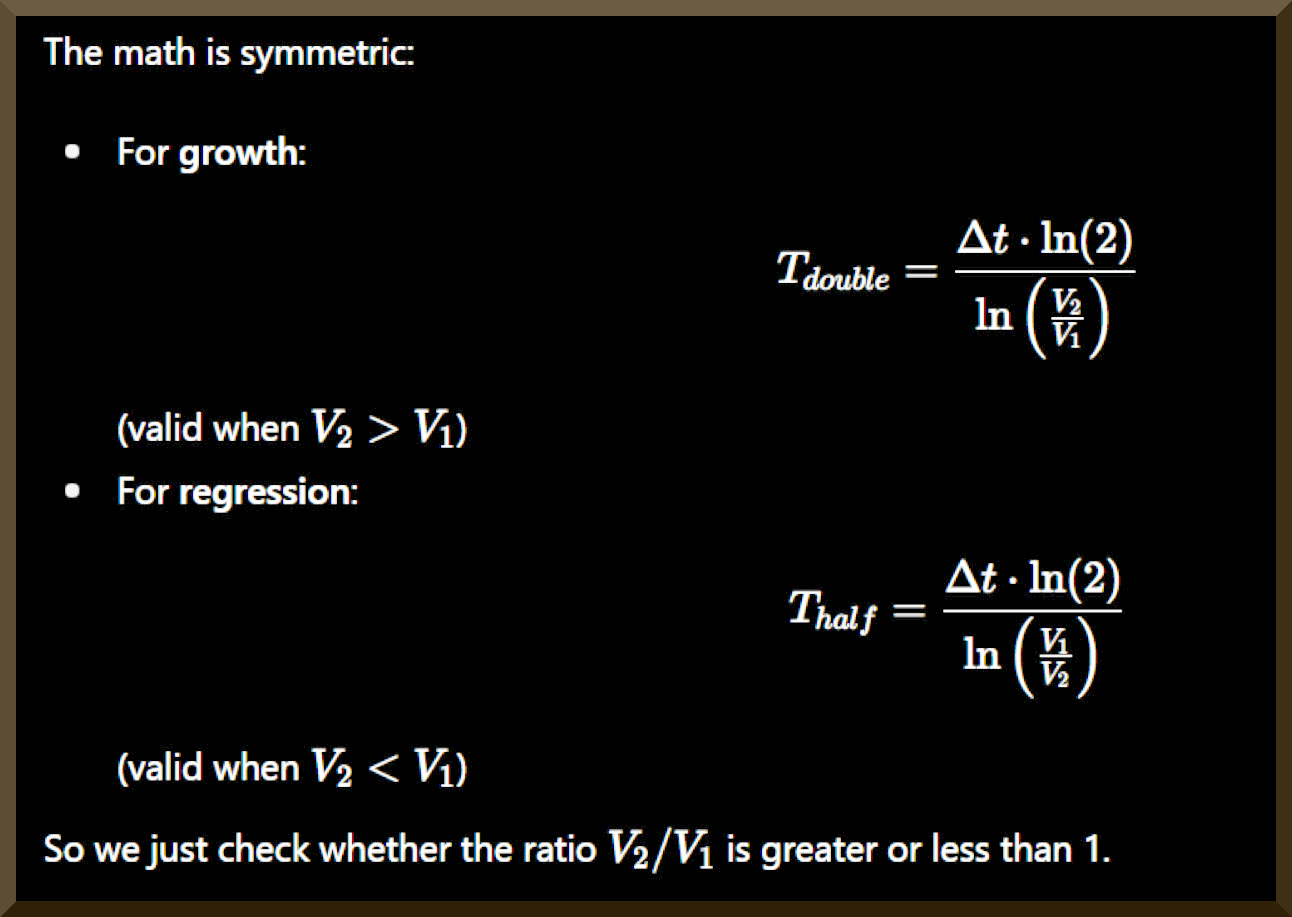
This is an exponential decay model showing the Time-to-double Or Half-Life of overdose deaths in Seattle and Washington state:
Data Sources and Methodology
Data from Washington State Department of Health Obituairies : Table, "Washington State Overdose Deaths by Year and Substance" (2018–2024).